
Hey there! Let me tell you a funny story. Last month, my neighbor knocked on my door looking worried. “There’s this big metal box in my closet making weird noises,” she said. “I’ve lived here five years and never knew what it was!” That mystery box? Her air handler, probably the hardest-working part of her HVAC system that nobody talks about.
What Is an Air Handler?
Think of an air handler as your home’s breathing system. Just like your lungs pull in air, clean it, and send it where it needs to go, this amazing machine does the same for your house. It’s that metal cabinet hiding in your attic, basement, or closet that moves air throughout your home.
Inside this workhorse, you’ll find a powerful blower that circulates air, filters that catch dust and allergens, and an evaporator coil that helps cool your indoor air. Without it, your air conditioner or heat pump would be like a car without wheels – not very useful!
Understanding Your HVAC System and Air Handling Unit
Your HVAC system is like a team where everyone has a job. The outdoor unit (your condenser) creates the cooling or heating, but it needs help to get that conditioned air throughout your home. That’s where your air handling unit comes in!
Here’s a simple way to understand it: If your AC unit is the chef cooking up cool air, your air handler is the waiter delivering it to every room. The two work together through copper pipes carrying refrigerant, creating the perfect indoor air temperature you enjoy.
The Evaporator Coil: Where Cool Air Magic Happens
Inside your air handler sits something that looks like a car radiator – that’s your evaporator coil. When your air conditioner runs, ice-cold refrigerant flows through this coil. As warm air passes over it, something cool happens (pun intended!).
The evaporator coil absorbs heat from your home’s air, leaving you with refreshingly cool air. It’s like holding a cold soda can on a hot day – the heat from your hand moves into the cold can. Same principle, just on a bigger scale! Plus, as humid air touches the cold coil, moisture condenses out, which is why air conditioning makes your home feel less sticky.
Types of Air Handlers: Which Air Handler Units Fit Your Home?
Not all types of air handlers are created equal. Let me break down your options:
Do You Need an Air Handler?
Here’s the deal: If you have a heat pump or central air conditioner, you absolutely need an air handler. Without it, all that expensive cooling or heating your outdoor unit creates has nowhere to go. It would be like having a water pump with no pipes!
Your air handler ensures that conditioned air reaches every corner of your home. Whether you’re building new or replacing old equipment, getting the right size and type is crucial for comfort and efficiency.
Heat Pump and Air Handler: The Perfect Partnership
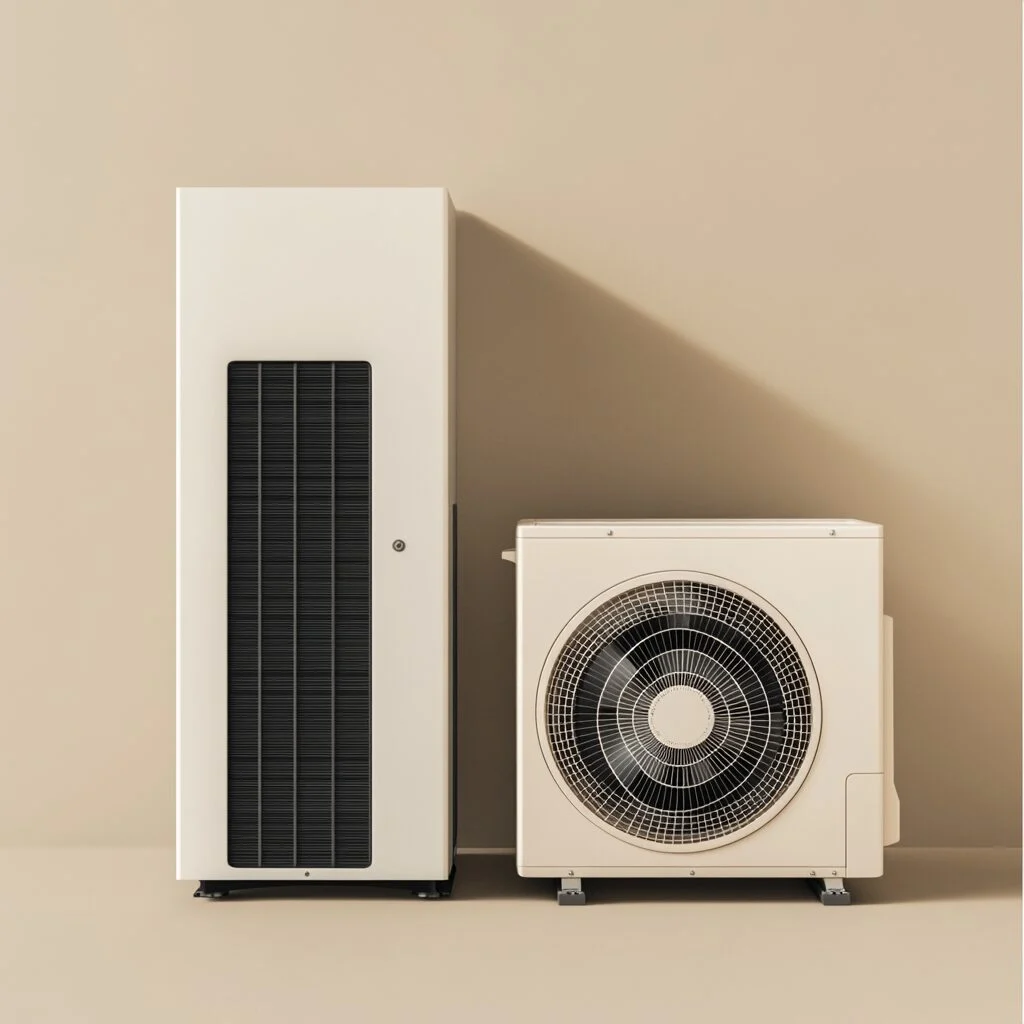
Heat pumps are amazing – they can both heat and cool your home! But they need a good air handler to spread that comfort around. In summer, your heat pump sends cold refrigerant to the coil in your air handler. In winter, it reverses and sends warm refrigerant instead.
Here’s something cool: When it gets super cold outside, electric heat strips inside your air handler kick in to help. These optional electric heat elements work like a toaster, providing backup warmth when your heat pump needs assistance.
Your Air Conditioner and Air Handler Working Together
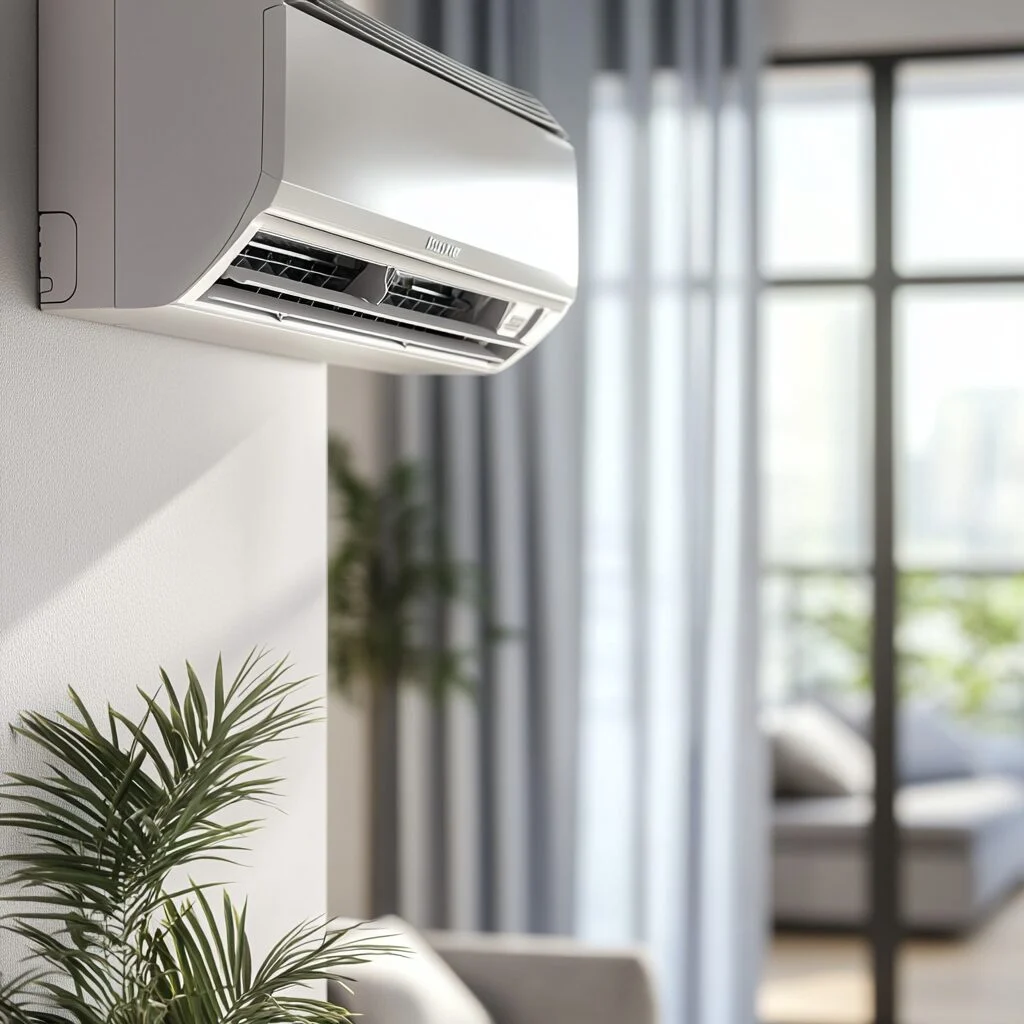
Your air conditioner and air handler are like dance partners – they need each other to perform. The AC unit outside compresses refrigerant and makes it cold. This cold refrigerant travels to your air handler, where the blower pushes air from your home over the cold evaporator coil.
As this air passes through, it gives up its heat and becomes the cool air you feel from your vents. The air handler then circulates conditioned air throughout every room via your ductwork. Without this partnership, you’d have no air conditioning!
Air Filter: Your First Defense Against Clogged Air Filters

Let’s talk about something super important – your air filter. This unsung hero sits inside the air handler, catching dust, pollen, pet hair, and other stuff floating in your air. Clean filters help maintain indoor air quality and keep your system running smoothly.
But here’s the thing about clogged air filters – they’re trouble! When filters get too dirty, your blower motor has to work harder to pull air through. This wastes energy, strains components, and can even cause your evaporator coil to freeze up. Change that filter every 1-3 months, and you’ll avoid most common problems!
The Blower: How Your System Moves Air
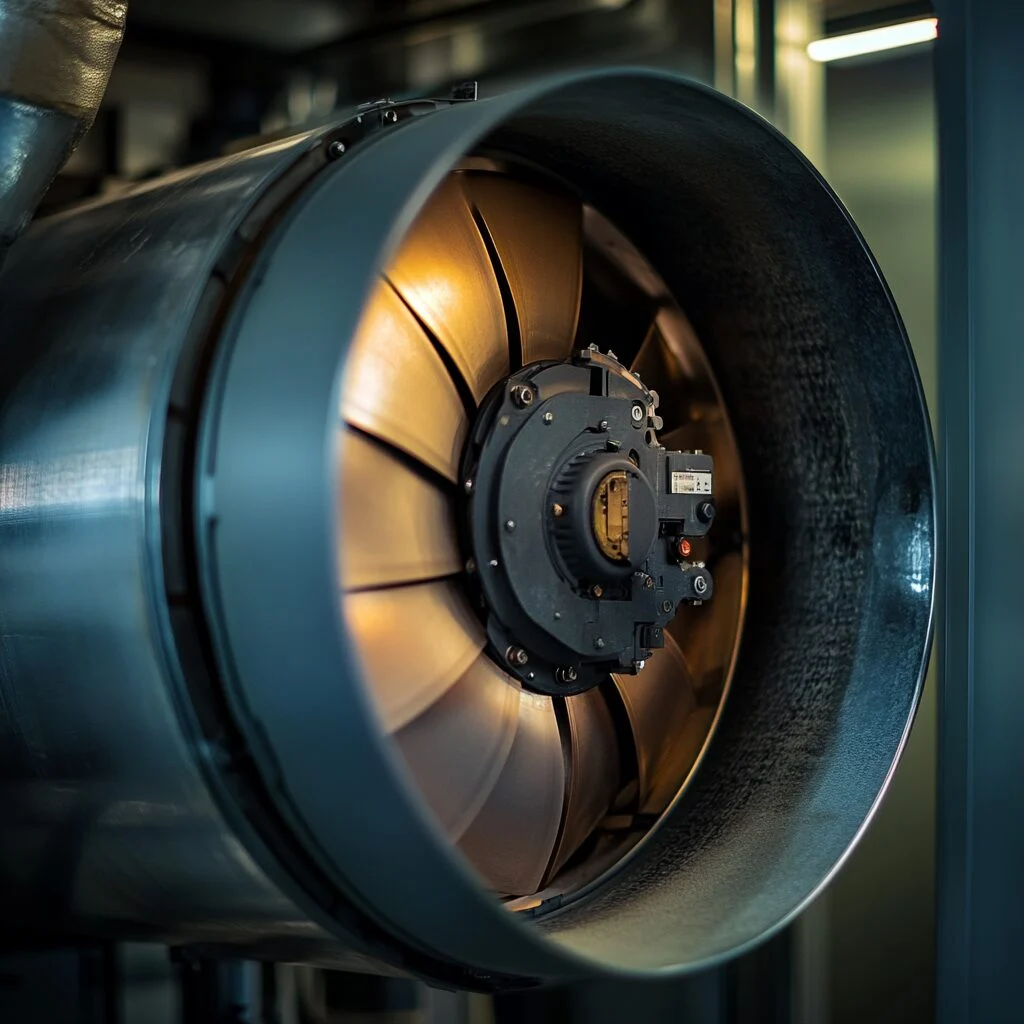
The blower in the air handler is like the heart of your HVAC system – it keeps everything flowing. This powerful fan is responsible for circulating all the air in your home, pulling it through return ducts and pushing conditioned air back out through supply vents.
Modern blower motors, especially variable speed ones, are incredibly efficient. They can adjust how fast they spin based on your needs, which helps control the flow of air perfectly. A good blower motor should last 10-15 years with proper care.
Duct Systems: The Highway for Conditioned Air Throughout Your Home
Your ductwork is like a highway system for air. The air handler connects to these ducts to deliver conditioned air to different rooms. Supply ducts carry cool or warm air from your air handler to your rooms, while return ducts bring air back to be reconditioned.
For your system to work well, these ducts need to be properly sized and sealed. Leaky ductwork is like having holes in a garden hose – you lose a lot of what you’re trying to deliver. Good ducts help your air handler control the flow of air within your home efficiently.
Fan Coil Unit vs. Traditional Air Handlers
Sometimes you’ll hear terms like “fan coil unit” or just “fan coil” – don’t let this confuse you! A fan coil is basically a type of air handler that combines the blower (fan) and cooling coil in one compact unit.
These units are popular in apartments and condos because they’re space-efficient. Whether it’s called an air handler or fan coil unit, the job is the same: circulate the air and make it comfortable.
Blower Motor Types: The Engine That Drives Air Flow
Your blower motor is what makes air circulation possible. Older units use PSC (Permanent Split Capacitor) motors that run at one speed. They work but use lots of electricity, kind of like old incandescent light bulbs.
Newer ECM (Electronically Commutated Motors) are the LEDs of the blower world – super efficient and long-lasting. These motors power variable-speed air handlers, adjusting their speed to match your needs perfectly. They’re so efficient that they use 75% less energy than old-style motors!
Residential Air Handlers: Designed for Your Home
Residential air handlers come in sizes perfect for homes, from small apartments to large houses. These air handler units typically move between 800 and 2,000 cubic feet per minute (CFM) of air – enough to keep every room comfortable.
Modern units focus on quiet operation too. Nobody wants to hear their HVAC system running all the time! Variable-speed models are especially quiet, often no louder than a whisper when running on low speed.
Components of an Air Handler: Understanding Key Components of an Air System
Let’s peek inside the air handler at the components that make it work:
- Cabinet: The metal box that holds everything
- Blower Assembly: The fan and motor that move air
- Evaporator Coil: Where temperature change happens
- Air Filter: Cleans the air before it circulates
- Drain Pan: Catches condensation from the coil
- Control Board: The brain that manages operations
Each component plays a vital role in making sure you get clean, comfortable air throughout your home.
Managing Indoor Air Quality with Your Air Handler
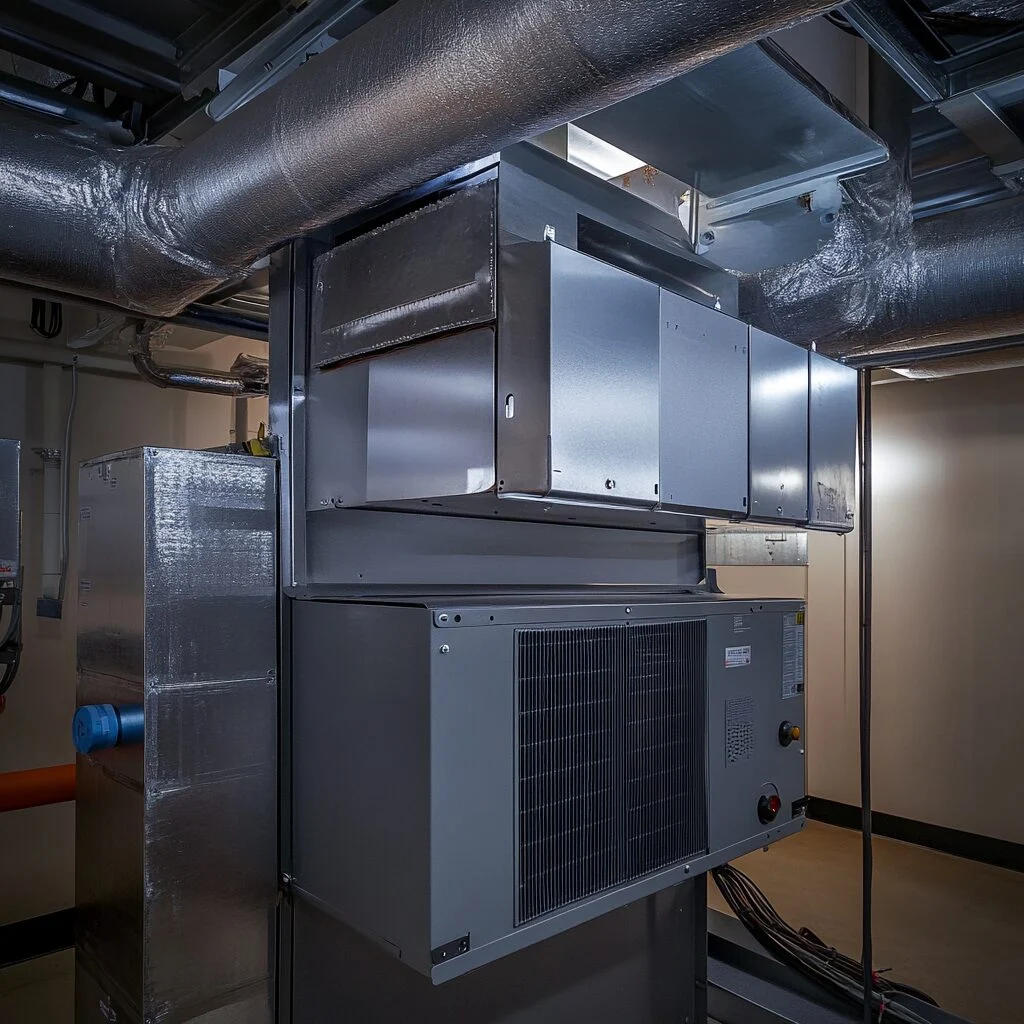
Your air handler plays a huge role in indoor air quality. As it circulates air through your home, it continuously filters out pollutants. Want to improve indoor air quality even more? Consider upgrading to MERV 13 filters or adding UV lights inside the air handler.
The constant air circulation also prevents stale air pockets where moisture and odors can build up. By moving air throughout your home several times each hour, your air handler helps maintain indoor air quality naturally.
Air Handler in the Attic: Pros and Cons
Many homes have their air handler in the attic to save living space. While this frees up room inside your home, it comes with challenges. Attics can reach 140°F in summer, making your unit work harder and potentially shortening its life.
If your air handler is usually in the attic, make sure it’s well-insulated. Check the condensate drain regularly too – a leak up there means water damage to your ceiling! Some folks eventually move their units to conditioned spaces for better efficiency and easier maintenance.
Central Air and Air Temperature Control
Your central air system depends on the air handler to maintain a comfortable air temperature throughout your home. It pulls warm air from your rooms, cools it to the right temperature, and sends it back. This happens continuously to keep every room comfortable.
The beauty of central air is that one system handles your whole house. Your air handler ensures even distribution, so you don’t have hot spots in one room and cold spots in another. It’s all about balanced comfort!
When Hot Air Comes from Your Vents
Sometimes your system blows hot air when you want cooling – frustrating! This usually means your outdoor unit has a problem, but your air handler keeps running. Or someone might have accidentally switched your thermostat to heat mode (it happens more than you’d think!).
In winter, warm air from your vents is exactly what you want. But if it feels too hot or smells burnt, that could signal an issue with your electric heat strips or blower motor.
How Your System Handles Air from Your Home
Your air handler continuously processes air from your home. It pulls room air through return vents, conditions it, and sends it back. This recycling is efficient because it’s easier to cool or heat air that’s already close to your desired temperature than to condition outdoor air from scratch.
As air passes through the system, your air handler removes heat from the air in summer (cooling mode) or adds heat in winter. This continuous cycle keeps your home comfortable year-round.
Understanding How Your System Circulates Conditioned Air Throughout
The way your air handler circulates conditioned air is pretty clever. It creates pressure differences – slight suction at return vents pulls air in, while positive pressure at supply vents pushes conditioned air out. This pressure difference is what keeps air flowing.
Your system circulates conditioned air throughout your home several times each hour. This constant movement ensures even temperatures and prevents stuffiness. A properly functioning air handler makes this happen so smoothly, you don’t even notice it!
Delivering Heated Air and Cooled Air Throughout Your Home
Whether you need heated air in winter or cooled air in summer, your air handler delivers. It takes the heating or cooling created by your furnace, heat pump, or air conditioner and distributes it evenly to every room.
The key is proper airflow balance. Your air handler must push the right amount of air to each room based on its size and heating/cooling needs. That’s why professional installation and setup matter so much.
Commercial Air Handlers vs. Residential Units
While we’ve focused on home systems, commercial air handlers deserve a mention. These giants can be as big as a shipping container and move enough air for entire office buildings. They often include special features like economizers (which use outdoor air for free cooling) and centrifugal fans for extra power.
The principles are the same, just on a larger scale. Both commercial and residential units need to circulate air, filter it, and maintain comfort – commercial ones just do it for many more people!
Maintaining Your Air Handler Clean and Efficient
Want to keep your air handler running great for years? Here’s your maintenance checklist:
A clean air handler runs more efficiently, lasts longer, and keeps your air quality high. Plus, regular maintenance can prevent 90% of system breakdowns – definitely worth the effort!
Understanding HVAC Questions About Air Quality and Comfort
Common HVAC questions I hear include: “Why are some rooms warmer than others?” Often, it’s an airflow imbalance. “Why does my system run constantly?” Could be an undersized unit or a clogged filter. “How can I reduce humidity?” Your air handler naturally removes moisture, but a variable-speed model does it better.
Understanding these issues helps you make the air in your home more comfortable and address problems before they become expensive repairs.
Special Features: Dehumidifiers, Economizers, and More
Modern air handlers can include amazing features:
These additions can dramatically improve comfort and air quality, especially if you have allergies or live in a humid climate.
Making Smart Decisions About Your HVAC Needs
Choosing the right air handler depends on your specific HVAC needs. Consider your climate, home size, and comfort priorities. If you value efficiency and comfort, invest in variable-speed technology. If the budget is tight, a quality single-speed unit still beats a worn-out system.
Remember, your air handler is a long-term investment. A well-maintained unit can last 15-20 years. Choose wisely, maintain regularly, and enjoy comfortable air for years to come!
The Bottom Line
Your air handler might hide out of sight, but it’s essential for your comfort. Now you understand how it moves air, works with your AC or heat pump, and keeps your home comfortable. With regular filter changes and annual maintenance, your air handler will keep you comfortable for decades. Pretty amazing for a metal box with a fan, right?