
Your home’s HVAC system is essential for maintaining comfort and indoor air quality, and ductwork is its backbone. This network of channels, known as the duct system, distributes conditioned air—whether heated or cooled—throughout your living spaces. Many homeowners confuse air ducts and air vents, but these components have distinct roles. Understanding their differences can help you maintain your HVAC system’s efficiency, reduce energy costs, and ensure clean air in your home. In this guide, we’ll explore what makes air ducts and air vents unique, their materials, maintenance needs, and how they impact your home’s comfort.
In Texas’s humid climate, where mold and allergens can thrive, keeping your HVAC ductwork in top shape is crucial. Poorly maintained ducts can contribute to air pollution, circulating dust, mildew, or allergy-triggering particles, which may worsen conditions like asthma or cause sneezing. According to the United States Environmental Protection Agency, indoor air can be more polluted than outdoor air, making regular maintenance vital for good indoor air quality.
What Are Air Ducts?
Air ducts are the hidden pathways that transport heated and cooled air from your furnace or air conditioner to every room in your home. They also carry stale air back to the air handler through return ducts for filtration and reconditioning. As a core component of your home’s HVAC, ducts ensure consistent temperature control and efficient airflow.
Ducts are typically made from durable materials like galvanized steel, treated with hot-dip galvanization to prevent rust and corrosion, or aluminum, which is lightweight and recyclable. Flexible ducts, often constructed with a plastic inner layer over a wire coil and covered with thermal insulation, are used in tight spaces but have higher friction losses. Fiberboard ducts, made from resin-bound fiberglass, offer sound-dampening and insulation but are less common. The National Air Duct Cleaners Association (NADCA) notes that properly designed ducts can improve the efficiency of your HVAC system by ensuring smooth air distribution.
What Are Air Vents?
Air vents are the visible openings in your walls, ceilings, or floors that serve as the entry and exit points for air throughout your home. They include supply ducts, which deliver cool air or warm air into rooms, and return ducts, which pull stale air back to the HVAC unit for reconditioning. Vents often have adjustable slats, or dampers, to control air flow and direction, helping you fine-tune your home’s comfort.
Vents are made from materials like steel, aluminum, plastic, or even decorative stainless steel or brass, depending on aesthetic and budget preferences. Unlike ducts, vents are easily accessible, making them simpler to clean and maintain. Proper vent placement, such as near windows to counter heat infiltration, ensures effective ventilation and balanced pressure in your home.
Materials and Construction: From Sheet Metal to Flexible Ducts
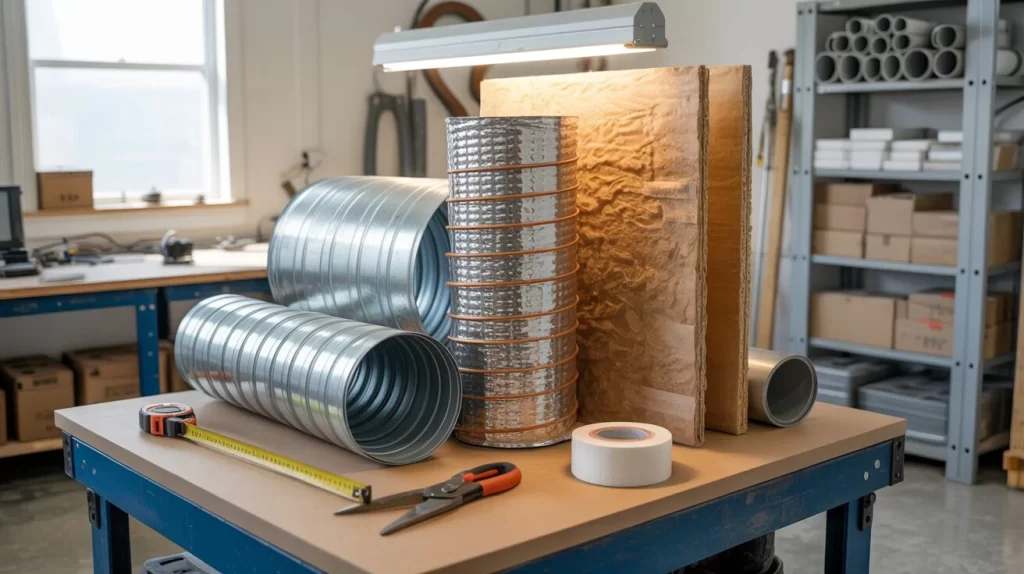
The construction of air ducts has evolved significantly, with manufacturers now offering various materials to suit different applications. Galvanized steel remains the industry standard for rigid ductwork, providing exceptional durability and rust resistance through hot-dip galvanization. This zinc coating protects the underlying metal from corrosion, ensuring decades of reliable service.
Sheet metal ducts, typically fabricated from galvanized steel or aluminum, offer superior longevity and maintain their shape under varying pressure conditions. These metal ducts prove particularly effective in commercial construction and residential applications where long-term performance is essential. The smooth interior surface of sheet metal minimizes dust accumulation and facilitates easier duct cleaning.
Flexible ducts provide an alternative solution for challenging installations. Constructed with an inner polymer liner supported by a wire coil and wrapped in fiberglass insulation, these ducts can navigate around obstacles and fit into tight spaces. However, HVAC experts recommend limiting flexible duct runs to 5-6 feet maximum due to higher friction losses compared to rigid alternatives.
Fiberboard ducts, manufactured from compressed resin-bound fiberglass strands, offer built-in thermal insulation and noise reduction properties. While cost-effective, these ducts require careful installation to prevent mildew and mold growth in humid environments. Some installations also utilize stainless steel for specialized applications, particularly in kitchen exhaust systems where high temperatures and chemical resistance are required.
Air Vents: The Visible Interface of Your HVAC System

While ducts remain hidden within walls and ceilings, air vents serve as the visible connection points between your ductwork and living spaces. These openings, typically featuring adjustable dampers or louvers, control the flow of conditioned air into rooms and facilitate the return of air to the system.
Supply vents deliver cool air during summer months and warm air during heating seasons. Strategically positioned near windows and exterior walls, these vents create effective airflow patterns that counteract heat transfer through the building envelope. Return vents, typically larger than supply vents, draw room air back into the HVAC system for reconditioning.
The materials used for air vent construction vary widely, including plastic, brass, cast iron, and various metals. Each material offers different aesthetic and functional properties, allowing homeowners to select options that complement their interior design while meeting performance requirements.
Materials Used in Air Ducts and Vents
The materials used in ducts and vents significantly impact their durability, cost, and performance.
Air Duct Materials
Air Vent Materials
Choosing the right type of duct or vent material depends on your home’s construction, budget, and HVAC equipment needs. For example, sheet metal ducts are standard for their strength, while flexible ducts are used in raised floor systems or tight spaces.
Key Differences Between Air Ducts and Air Vents
Understanding the difference between air ducts and air vents is essential for maintaining your HVAC system. Here’s a breakdown of their distinctions:
Aspect
Air Ducts
Air Vents
Location
Hidden in walls, ceilings, or floors
Visible on walls, ceilings, or floors
Function
Transport conditioned air throughout
Control airflow into and out of rooms
Materials
Metal ducts (galvanized steel, aluminum), fiberboard , or flexible ducts
Plastic , steel , aluminum , or decorative materials
Maintenance
Requires professional air duct cleaning every 3-5 years
Can be cleaned monthly by homeowners
Visibility
Concealed, part of the duct system
Accessible, often with adjustable slats
Ducts act as the forced air duct system, moving air from the HVAC unit to vents, while vents regulate the final delivery, ensuring comfort and indoor air quality. Misaligned or blocked vents can disrupt air distribution, while leaky ducts can waste energy.
Maintenance and Cleaning of Air Ducts and Vents
Regular maintenance of your HVAC duct system is crucial to prevent contamination and maintain clean air ducts. Dirty air ducts can accumulate dust, mold spores, and allergens, contributing to pollution and health issues like sneezing or respiratory problems.
Air Duct Maintenance
The NADCA recommends professional HVAC duct cleaning every 3-5 years, though homes with pets, smokers, or recent renovations may need more frequent cleaning. Signs your air ducts need cleaning include:
Professional air duct cleaning involves:
Duct cleaning can help improve air filtration, reduce energy costs, and extend the life of your HVAC system. The EPA notes that cleaning can address air and water vapor issues, preventing mold and bacteria growth.
Air Vent Maintenance
Cleaning air vents is a simple task homeowners can handle:
- Turn off the air conditioning or heating system.
- Remove vent covers using a screwdriver.
- Vacuum the accessible duct opening with a vacuum cleaner.
- Wash covers with mild detergent and water, then dry thoroughly.
- Reattach covers securely.
Clean vents every 3-6 months to prevent dust buildup and maintain airflow. Blocked vents can increase pressure and strain your HVAC unit, reducing efficiency.
Common Issues with Ductwork and How to Address Them
Ducts can become problematic over time, affecting the performance of your HVAC system. Common issues include:
Regular inspections can catch these issues early, ensuring your home’s HVAC operates efficiently.
The Science of Airflow and System Efficiency
Understanding airflow dynamics helps optimize HVAC system performance. The fundamental principle follows a ratio of 400 cubic feet per minute (CFM) per ton of cooling capacity. A properly designed duct system maintains consistent air pressure throughout, ensuring each room receives adequate conditioned air flow.
Centrifugal fans within the air handler generate the necessary pressure to move air through the entire duct network. The fan’s performance depends on proper duct sizing, minimal restrictions, and clean air filters. Regular air filter replacement represents one of the simplest yet most effective maintenance tasks homeowners can perform.
The shape and configuration of ductwork significantly impact system efficiency. Round ducts offer optimal airflow characteristics with minimal friction losses, while rectangular ducts fit better in constrained spaces. Proper design balances these considerations to create an efficient air distribution system.
Improving System Performance and Energy Efficiency

Several strategies can enhance your HVAC system’s performance while reducing energy consumption. Proper duct sealing eliminates leaks that waste conditioned air and force equipment to work harder. Professional contractors use mastic sealant or metal-backed tape to create durable, airtight connections at all joints and seams.
Upgrading to high-efficiency HVAC equipment provides substantial long-term savings. Modern air conditioners and furnaces incorporate advanced technologies that reduce energy consumption while improving comfort. When combined with well-designed ductwork, these systems deliver exceptional performance.
Regular maintenance schedules ensure continued efficiency. This includes changing air filters monthly during peak usage seasons, cleaning air vents every four to six months, and scheduling professional inspections annually. These simple steps extend equipment life while maintaining healthy indoor air quality.
Health Considerations and Allergen Management
For individuals suffering from allergies or respiratory conditions, proper duct maintenance becomes even more critical. Allergens including dust mites, pollen, and pet dander accumulate within ductwork over time. When the system operates, these particles become airborne, potentially triggering allergic reactions including sneezing and respiratory irritation.
Enhanced air filtration provides an effective defense against airborne allergens. High-efficiency particulate air (HEPA) filters capture microscopic particles that standard filters miss. While these filters require more frequent replacement and may increase system resistance, the improvement in air quality justifies the additional cost for sensitive individuals. Professional duct cleaning removes accumulated allergens from system components, providing relief for allergy sufferers. Combined with regular filter changes and proper humidity control to prevent mold growth, these measures create a healthier indoor environment.
When to Call a Professional for Ductwork Services
While homeowners can clean air vents, certain situations require a professional HVAC technician:
Lone Star Heat and AC offers expert ductwork installation, cleaning, and repair services in Katy, TX, and surrounding areas. Our professional air duct cleaning company uses advanced tools to ensure your HVAC system delivers conditioned air throughout your home efficiently. Call us at (832) 359-5603 to schedule a consultation.
Future Trends in HVAC Technology
The HVAC industry continues evolving with new technologies that improve efficiency and air quality. Smart dampers allow zone-based temperature control, directing conditioned air only where needed. Advanced air handlers incorporate variable-speed motors that adjust output based on demand, reducing energy consumption and improving comfort.
Ultraviolet (UV) light systems installed within ductwork neutralize biological contaminants including mold, bacteria, and viruses. These systems provide continuous disinfection without chemicals, contributing to healthier indoor environments. As concerns about indoor air pollution grow, such technologies become increasingly valuable.
Building automation systems integrate HVAC controls with other building systems, optimizing performance based on occupancy patterns and environmental conditions. These smart systems learn from usage data, automatically adjusting settings to balance comfort with energy efficiency.
Conclusion: Investing in Your Home’s Air Quality
Understanding the difference between air ducts and air vents empowers you to maintain your home’s HVAC system effectively. Air ducts are a vital part of your HVAC system, transporting air from your HVAC unit to every room, while vents control how that air enters and exits. Regular maintenance, including professional air duct cleaning, ensures clean air, energy efficiency, and a longer life for your HVAC system. For expert help, contact Lone Star Heat and AC at (832) 359-5603 to keep your home’s air healthy and comfortable.
Remember that your HVAC ductwork represents a long-term investment in your home’s infrastructure. With proper care and timely maintenance, a well-designed duct system can provide decades of reliable service. By following the guidelines outlined in this comprehensive guide, you can ensure your system continues delivering clean, comfortable air throughout your home for years to come.